

Climate Change Demands Smarter Environmental Intelligence
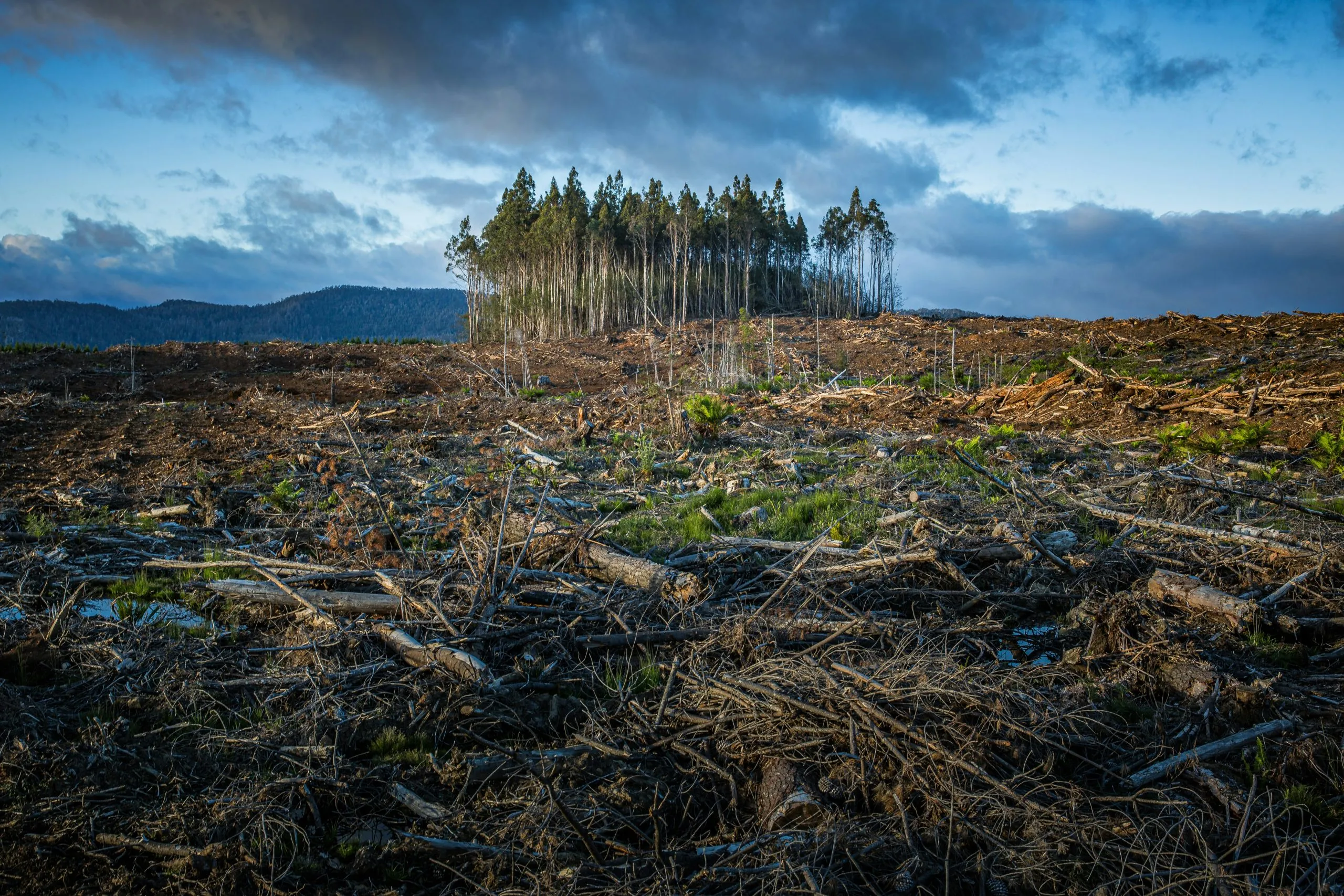
Today, vast amounts of environmental data are collected every day through satellites, monitoring stations, climate models and research initiatives. While this information provides valuable insights into the state of our planet, its true potential lies in connecting these diverse data sources to reveal patterns, relationships and emerging risks. Transforming data into actionable knowledge is becoming essential for supporting effective climate adaptation and evidence-based decision-making.
This is the vision behind ThinkingEarth. The project is developing innovative digital solutions that make Earth observation data and environmental knowledge more connected, interoperable and accessible. By integrating information from different disciplines and technologies, ThinkingEarth helps create a more complete understanding of the Earth’s complex systems and the ways they are changing under the influence of climate change.
A systems approach is increasingly important because environmental processes rarely occur in isolation. Changes in temperature influence vegetation, water availability, soil conditions and biodiversity, which in turn affect the likelihood of hazards such as wildfires or floods. Understanding these interactions allows researchers, policymakers and environmental managers to identify vulnerabilities earlier, anticipate future risks and develop more effective adaptation strategies.
Advanced digital technologies—including artificial intelligence, semantic modelling and knowledge graphs—play an important role in this transformation. They enable large and diverse datasets to be organised, analysed and interpreted more efficiently, supporting collaboration across scientific disciplines and helping decision-makers access reliable, timely information.
As Europe continues to strengthen its response to climate change, initiatives like ThinkingEarth demonstrate the value of combining scientific knowledge with digital innovation. By improving the way environmental information is connected and understood, the project supports a future where decisions are informed by a more comprehensive picture of our changing planet.
Building climate resilience is not only about responding to environmental crises as they occur. It is about anticipating change, understanding complex interactions and equipping society with the knowledge needed to protect ecosystems, communities and future generations. Through this integrated approach, ThinkingEarth is helping lay the foundations for a smarter and more resilient Europe.
Share
Read next
ThinkingEarth Talks: UC2B

Building Confidence in Earth Observation

Why Foundation Models Are Transforming Earth Observation
