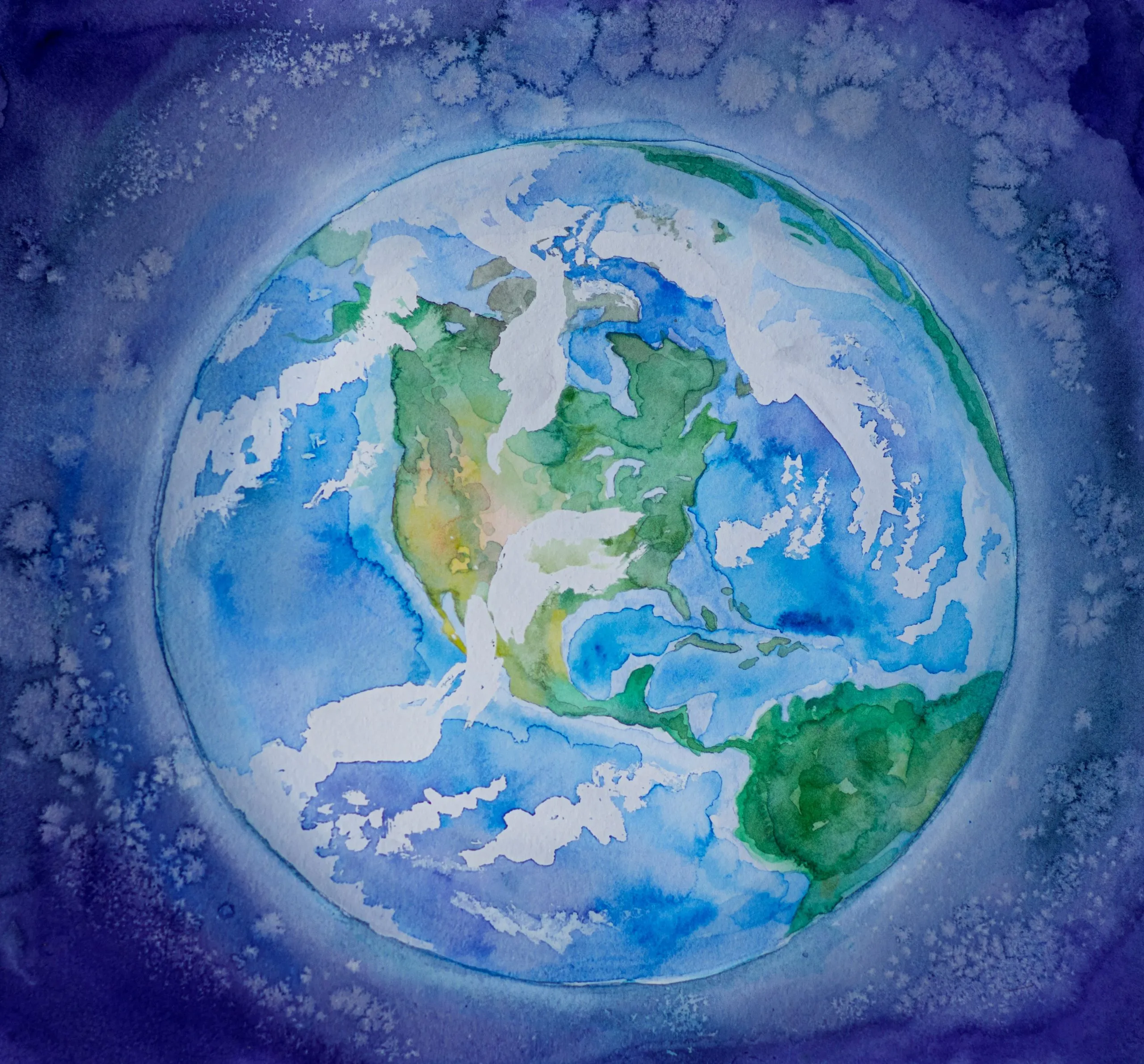

Building Confidence in Earth Observation
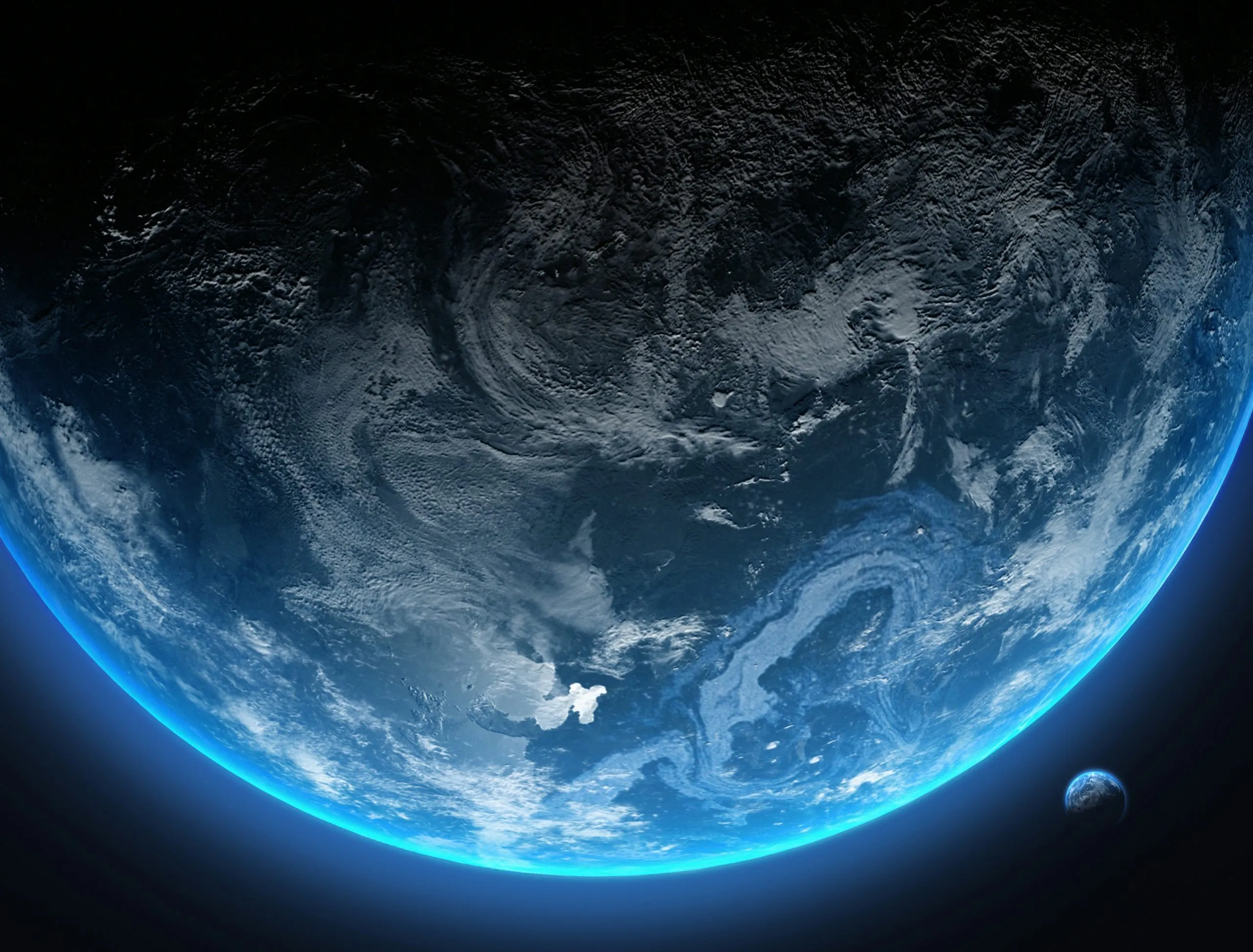
News Item
23 August 2026

Earth observation models are becoming increasingly more accurate but still or complex Earth systems, uncertainty is unavoidable.

Satellite data can be affected by changing conditions, different landscapes can share similar characteristics, and even human experts may interpret the same information differently. Rather than hiding this uncertainty, the next generation of Earth observation models needs to make it visible.

Instead of providing a single prediction with an implied level of certainty, models can identify situations where several outcomes are possible. This gives users a clearer understanding of where predictions are reliable and where additional information may be needed.

By combining Earth observation data with foundation models, self-supervised learning, Graph Neural Networks, causal methods and explainable AI, ThinkingEarth is working towards a more connected and intelligent understanding of our planet.

For applications ranging from forests and cities to food security and energy, knowing when a model is uncertain can be just as valuable as knowing its prediction.

The future of Earth observation is therefore not simply about generating more data or more accurate models. It is about building Earth intelligence that is transparent, reliable and useful for real-world decisions.

Share

Read next
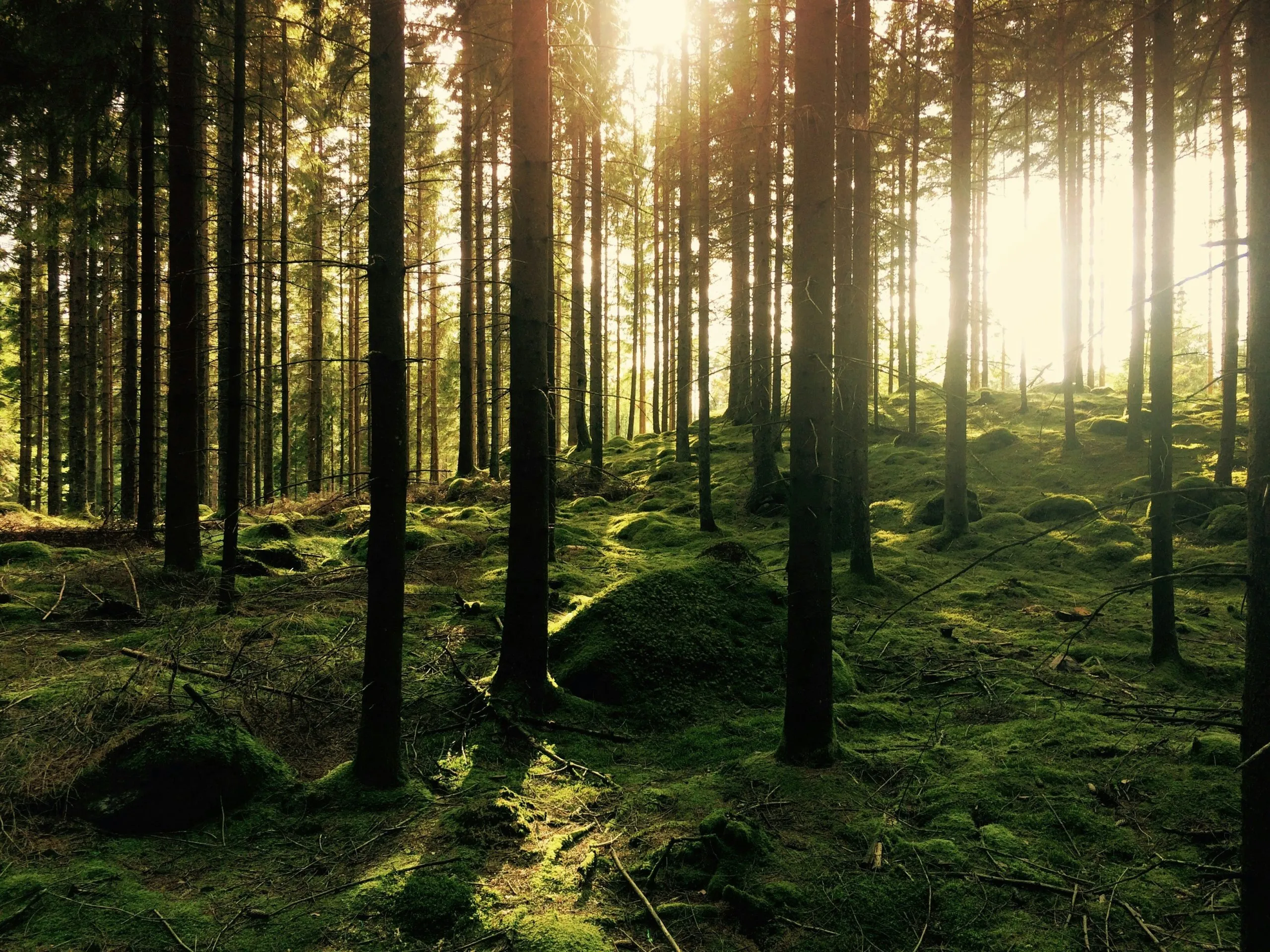

Why Foundation Models Are Transforming Earth Observation
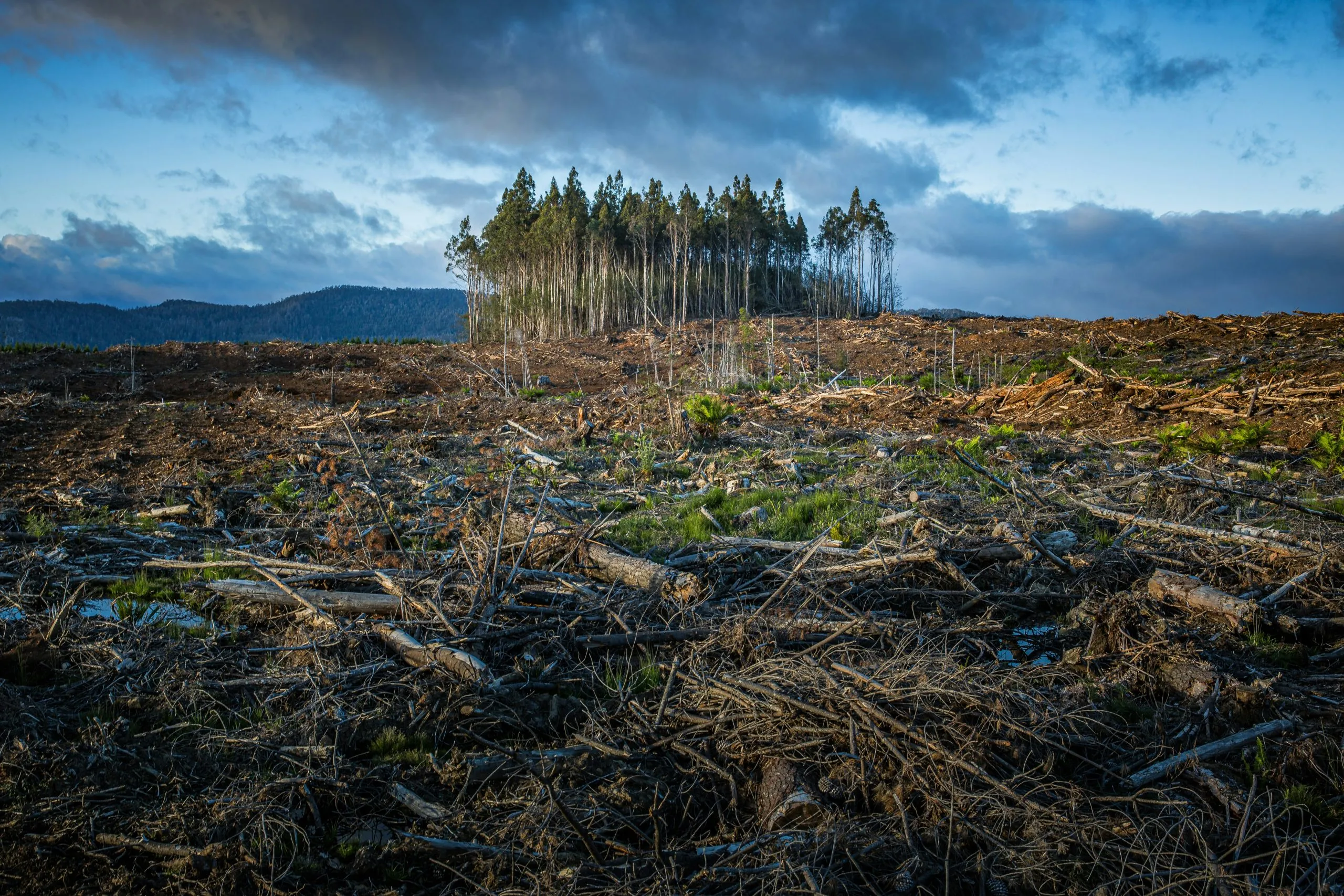
News Item
24 July 2026

Why Foundation Models Are Transforming Earth Observation

The volume of Earth observation data is growing at an unprecedented pace. Every day, satellites capture vast amounts of information about our forests, oceans, cities, agricultural land and changing climate. The challenge is no longer collecting data, it is making sense of it accurately and at scale.
Climate Change Demands Smarter Environmental Intelligence
News Item
28 June 2026

Climate Change Demands Smarter Environmental Intelligence

Climate change is reshaping our planet at an unprecedented pace. Across Europe, rising temperatures are contributing to more frequent heatwaves, prolonged droughts, devastating wildfires, floods and other extreme weather events. These changes are not isolated; they are interconnected, affecting ecosystems, biodiversity, water resources, agriculture and the communities that depend on them. As environmental challenges become more complex, so too must the way we understand and respond to them.
Predicting Wildfires with Causal AI
News Item
29 May 2026

Predicting Wildfires with Causal AI

Wildfires are becoming more frequent and harder to predict. Knowing where and when they might strike — weeks or even months in advance — could save lives, ecosystems, and livelihoods.
Newsletter of the project Thinking Earth

Stay tuned and subscribe to our quarterly newsletter

By submitting your e-mail address, you agree to our privacy policy for the site.