

5 Ways ThinkingEarth Helps the Planet

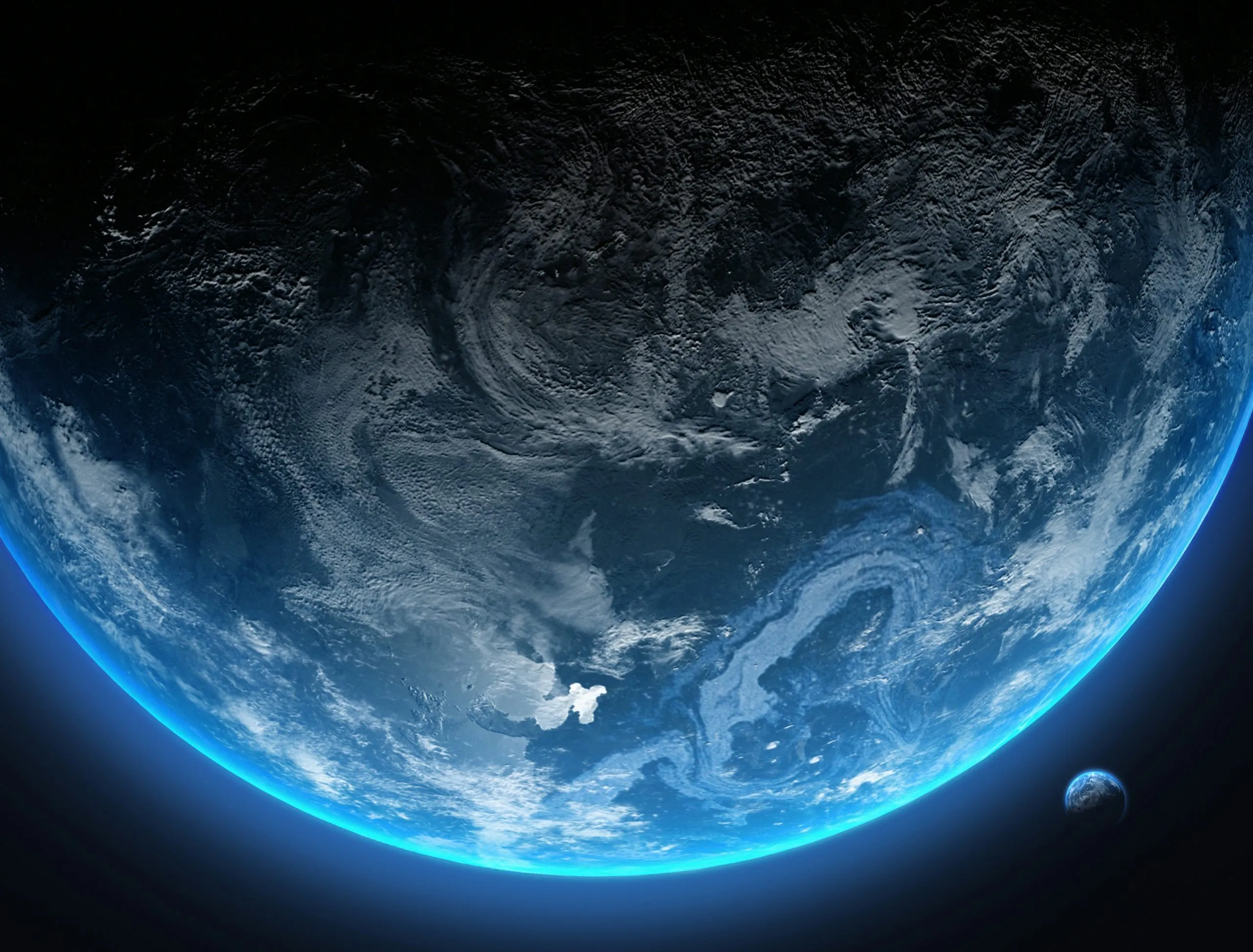
One initiative leading this transformation is ThinkingEarth — a Horizon Europe project using advanced Artificial Intelligence (AI) and satellite data to better understand and protect Earth as one interconnected system.
Here are five impactful ways ThinkingEarth is helping the Earth.
Turning Earth Data into Actionable Climate Insights
ThinkingEarth uses AI-powered models trained on satellite data (from Copernicus Sentinel missions) to monitor environmental changes in real time.
By analysing land, ocean, and atmosphere together, these models help scientists and policymakers:
- Track climate change patterns
- Predict environmental risks
- Make more informed decisions
This means faster, smarter responses to environmental challenges.
Accelerating the Clean Energy Transition
One of the project’s Use Cases focuses on renewable energy systems, especially solar energy.
In this Use Case, ThinkingEarth develops tools that:
- Forecast solar energy production
- Optimise energy demand and supply
- Support smarter energy grids
The result: less reliance on fossil fuels and a smoother transition to clean energy in Europe.
Protecting Biodiversity in Cities
Urban environments are often overlooked, but they are vital ecosystems. ThinkingEarth uses AI to monitor biodiversity in cities continuously and at scale.
Its tools can:
- Map vegetation and plant species
- Track ecosystem health
- Identify areas for green development
This helps cities improve air quality, reduce heat, and protect wildlife.
Strengthening Food Security
Climate change is deeply connected to food availability. ThinkingEarth tackles this by analysing climate, ecosystems, and human activity together.
With its models, the project can:
- Predict food insecurity risks
- Identify climate-driven agricultural changes
- Support early warning systems
This enables better preparation for food crises worldwide.
Understanding Earth as One Connected System
Perhaps the most powerful idea behind ThinkingEarth is this: everything on Earth is connected.
Using advanced techniques like graph neural networks and causal AI, the project maps how different environmental factors influence each other.
This helps uncover cause-and-effect relationships — for example:
- How ocean changes affect weather patterns
- How climate impacts biodiversity and agriculture
Why It Matters This Earth Month
ThinkingEarth shows that protecting the planet isn’t just about awareness — it’s about innovation, data, and collaboration.
By combining AI with Earth observation, it provides tools that:
- Improve decision-making
- Support sustainability
- Help build a more resilient future
Conclusion
ThinkingEarth demonstrates how advanced AI can move beyond theory into practical tools that help better understand and protect the planet, not just for earth Month but years to come!
Share
Read next

ThinkingEarth Talks: UC2B
Building Confidence in Earth Observation
Why Foundation Models Are Transforming Earth Observation
